Top 10 Safety Standards for Industrial Equipment You Must Know?

Time:2026-05-09 Author:Charlotte
0%

In today's industrial landscape, safety is paramount. With over 4,500 workplace fatalities reported annually in the U.S. alone, understanding "What Are The Safety Standards For Industrial Equipment" becomes crucial. These standards are designed to protect workers from hazards that can arise from machinery and equipment.

The National Institute for Occupational Safety and Health (NIOSH) emphasizes that proper safety protocols can reduce accidents by over 30%. Adhering to established standards not only safeguards employees but also enhances overall operational efficiency. However, many industries struggle with compliance. A recent report shows that only 50% of companies meet current safety regulations.

Implementing effective safety measures is an ongoing challenge. It requires continuous training and awareness. Equipment must be regularly inspected and upgraded to meet evolving standards. As we explore the top 10 safety standards, we highlight both benchmarks and common pitfalls. This reflection is vital for fostering a culture of safety in every workplace.
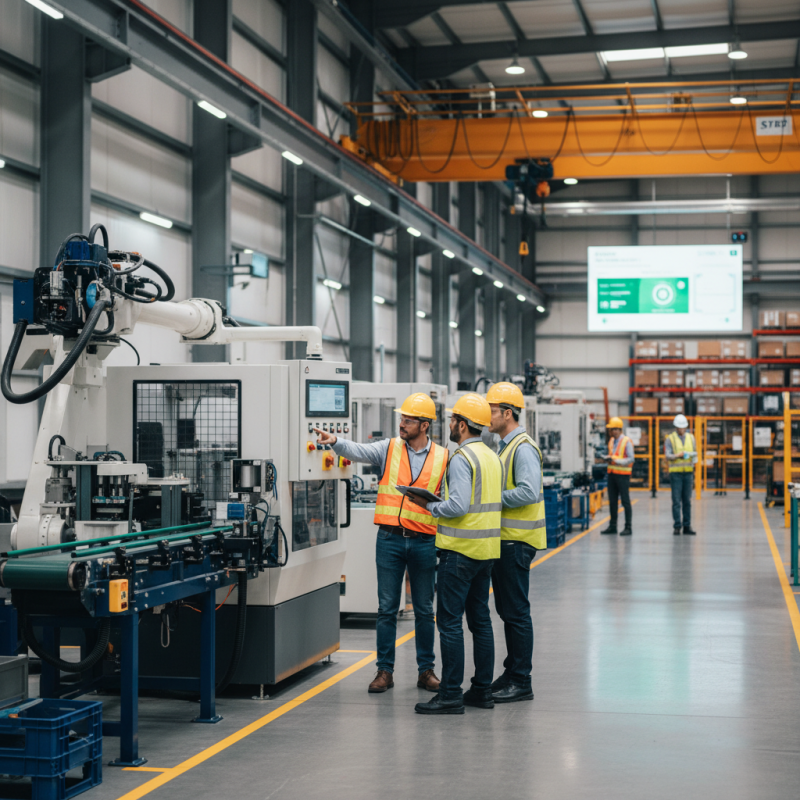
Top 10 Safety Standards for Industrial Equipment You Must Know?

Understanding the Importance of Safety Standards in Industrial Equipment

Safety standards in industrial equipment are critical for protecting workers. These standards ensure that machines are safe to operate and minimize risks associated with equipment failure. When safety protocols are followed, the likelihood of accidents decreases significantly. This compliance fosters a safer workplace and boosts productivity.

Without proper safety standards, the consequences can be dire. Equipment malfunctions can lead to severe injuries or even fatalities. Workers may feel anxious and hesitant if they suspect their equipment is unsafe. It's essential to regularly review and update safety protocols. Ignoring these can result in complacency, making it vital for industries to take proactive steps.

Often, companies overlook the importance of training. Employees must understand safety standards thoroughly. Regular training sessions can bridge this gap, but companies may not prioritize them. An inconsistent approach can create vulnerabilities in the safety net meant to protect workers. The path to optimal safety is continual assessment and open communication about risks and standards.

Key International Organizations Establishing Safety Standards

Safety standards for industrial equipment play a crucial role in ensuring worker safety and operational reliability. Various key international organizations contribute to the establishment of these standards. The International Organization for Standardization (ISO), for instance, sets guidelines for machinery safety, influencing manufacturing processes globally.

The Occupational Safety and Health Administration (OSHA) establishes safety standards for the workplace, impacting a wide range of industries in the United States. According to a recent report by the National Safety Council, proper adherence to these standards can reduce workplace injuries by up to 40%. This statistic underscores the importance of maintaining rigorous safety protocols.

**Tip:** Regular training keeps workers updated on safety practices. Simple reminders can significantly reduce risks.

Organizations like the American National Standards Institute (ANSI) focus on developing safety standards relevant to specific industries, such as construction and manufacturing. Their detailed guidelines help prevent accidents and ensure a uniform level of safety compliance across sectors. However, not all companies adhere to these standards, leading to potentially dangerous environments.

**Tip:** Continuous evaluation of safety protocols is vital. Mistakes can lead to serious incidents if left unchecked.

Overview of Essential Safety Standards for Different Equipment Types

In industrial environments, safety standards are crucial for minimizing risks. Equipment types vary widely, each necessitating specific guidelines to ensure worker protection and operational integrity. For instance, the American National Standards Institute (ANSI) emphasizes that safety practices in manufacturing can reduce injury rates by over 50%. These standards often encompass aspects like equipment design, maintenance, and employee training.

Electrical equipment mandates strict compliance with the National Fire Protection Association (NFPA). Their guidelines help prevent electrical hazards. In a report by the Occupational Safety and Health Administration (OSHA), electrical incidents accounted for nearly 10% of workplace fatalities in recent years. Equipment should be regularly inspected and updated to align with these evolving safety standards.

Mechanical devices, on the other hand, often adhere to the International Organization for Standardization (ISO) norms. ISO standards focus on producing safe and reliable machinery. Yet, compliance levels can vary significantly across industries. A notable concern is that many smaller companies remain unaware of these essential standards. The gap in adherence can lead to increased accidents and liability issues. Regular training and updates are necessary to ensure all employees are informed.

Top 10 Safety Standards for Industrial Equipment You Must Know

Standard Equipment Type Description Key Focus Areas
ISO 9001 General Industrial Equipment Quality management systems requirements. Customer satisfaction, continuous improvement.
ISO 14001 Environmental Equipment Environmental management systems standards. Environmental impact, compliance obligations.
ISO 45001 Occupational Health and Safety Health and safety management systems requirements. Risk assessment, worker safety.
ANSI Z535 Safety Signs and Labels Standards for safety signage. Communication of hazards, visual clarity.
NFPA 70E Electrical Equipment Arc flash safety standards for electrical work. Electrical safety, risk control.
EN 60204-1 Machinery Safety Safety of electrical equipment in machines. Electrical safety, emergency stop functions.
ISO 12100 General Safety of Machinery General principles for design safety. Risk assessment, hazard identification.
OSHA 1910 General Industry Standards Occupational safety and health regulations. Workplace safety, employee rights.
IEC 61508 Functional Safety of Electrical/Electronic Systems Safety lifecycle for electrical systems. Safety integrity levels, hazard analysis.
ISO 22716 Cosmetics Manufacturing Good manufacturing practices for cosmetics. Product safety, contamination control.

Best Practices for Compliance with Industrial Safety Standards

Compliance with industrial safety standards is critical for ensuring a safe workplace. Understanding these standards helps prevent accidents and injuries. Each piece of industrial equipment must meet specific criteria for safe operation. Regular audits can reveal gaps in compliance. Many organizations neglect routine checks, leading to potential hazards.

Employee training is essential. Workers should understand safety protocols and equipment operation guidelines. Yet, many employees receive insufficient training. Investing in continuous education can bridge this gap. Workshops and hands-on training sessions foster a culture of safety.

Documentation is another crucial aspect of compliance. Keeping records up to date ensures accountability. Yet, many companies struggle to maintain accurate documentation. Regular reviews and audits can help maintain compliance and highlight areas for improvement. A transparent approach can significantly enhance workplace safety.

The Role of Regular Inspections and Audits in Safety Compliance

Regular inspections and audits are critical for safety compliance in industrial environments. They help identify potential hazards before they escalate into serious incidents. These assessments should occur systematically, covering all equipment, machinery, and processes. A well-structured inspection checklist ensures that every detail is examined thoroughly.

Unexpected findings often surface during audits. These may reveal lapses in training or maintenance routines. Such observations can lead to improvements, fostering a culture of safety awareness among employees. Regular feedback allows teams to address flaws promptly. This proactive approach minimizes risks and promotes a safer workplace.

Failing to adhere to inspection schedules can have dire consequences. Incidents often highlight the importance of accountability and responsibility. Companies must prioritize inspections and audits as fundamental components of their safety programs. By doing so, they not only comply with standards but also protect their workforce and investments. The commitment to safety reflects a deep understanding of industry best practices.

FAQS

: Why are safety standards important in industrial settings?

: Safety standards ensure worker safety and operational reliability. They help minimize risks in various industries.

What organization sets machinery safety guidelines globally?

The International Organization for Standardization (ISO) influences manufacturing safety standards worldwide.

How can proper adherence to safety standards impact workplace injuries?

Following safety protocols can reduce workplace injuries by up to 40%, emphasizing their importance.

What happens if companies do not adhere to safety standards?

Non-compliance can lead to dangerous environments and increase the risk of accidents.

Why is regular training essential for workers?

Regular training updates workers on safety practices, significantly reducing risks and enhancing safety awareness.

What role does documentation play in compliance with safety standards?

Maintaining accurate documentation ensures accountability, but many companies struggle to keep records updated.

How can electrical equipment safety be ensured?

Compliance with guidelines from relevant authorities is essential to prevent electrical hazards and workplace fatalities.

What is one issue smaller companies face regarding safety standards?

Smaller companies often lack awareness of essential safety standards, leading to potential accidents.

What can continuous evaluation of safety protocols help with?

Continuous evaluation helps identify mistakes and prevent serious incidents, fostering a culture of safety.

How can organizations bridge gaps in employee training?

Investing in workshops and hands-on sessions can significantly enhance training effectiveness and safety culture.

Conclusion

In the industrial sector, ensuring a safe working environment is paramount. Understanding safety standards for industrial equipment is essential as these regulations help mitigate risks and enhance worker protection. Key international organizations play a crucial role in establishing these safety standards, which vary based on the type of equipment utilized. Compliance with these standards is further supported by best practices that organizations can implement, fostering a culture of safety.

Regular inspections and audits are vital components of maintaining compliance with safety standards for industrial equipment, ensuring ongoing adherence and identifying areas for improvement. By understanding what the safety standards entail and implementing rigorous compliance measures, companies not only protect their workers but also enhance operational efficiency and reliability in their processes.

Charlotte

Charlotte

Charlotte is a seasoned marketing professional with a deep understanding of the company's portfolio and a passion for elevating its presence in the market. With a keen eye for detail and a commitment to excellence, she ensures that our professional blog is regularly updated with insightful articles......