As industries evolve, the adoption of Electric Material Handling Equipment (EMHE) is becoming increasingly prevalent. According to a report by the Material Handling Industry of America, nearly 60% of warehouses now utilize electric-powered equipment. This shift is primarily driven by the search for efficiency and sustainability. What Are The Benefits Of Electric Material Handling Equipment? This question is critical for companies looking to improve their operations while minimizing their environmental footprint.
Electric material handling equipment offers a myriad of advantages. These include lower operational costs, reduced emissions, and improved safety. A study from the Electric Power Research Institute highlights that using electric forklifts can result in a 50% reduction in energy costs compared to their gas counterparts. This statistic emphasizes the financial benefits that organizations can reap from making the switch to electric options.
However, businesses must carefully consider their specific requirements. While electric equipment excels in many areas, it may not be suitable for all applications due to charging times or higher upfront costs. Understanding these nuances can help companies make informed decisions. Empowering enterprises with knowledge about EMHE is crucial in navigating today’s competitive landscape.
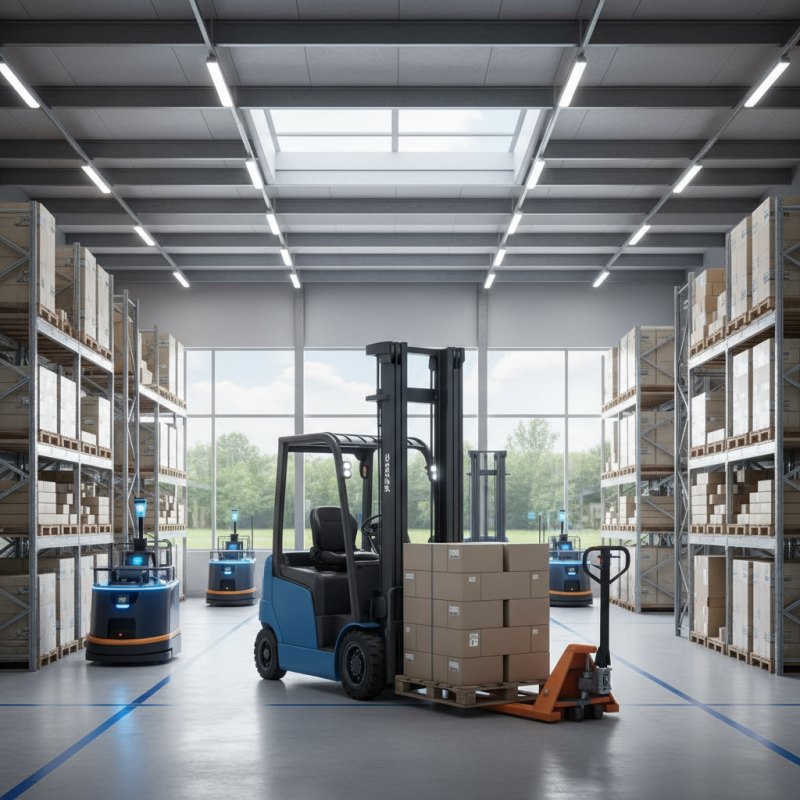
Advantages of Electric Material Handling Equipment over Traditional Options
Electric material handling equipment offers several advantages over traditional options. They are designed to increase efficiency in warehouses and production environments. These machines operate quietly, which reduces noise pollution. Employees can work in a more comfortable atmosphere. With lower emissions, electric equipment is also better for the environment.
Moreover, electric options require less maintenance than their gasoline or diesel counterparts. This can result in significant cost savings over time. Battery technology has improved, providing longer run times and faster charging. Many facilities can run operations for an entire shift without interruption. However, it's essential to manage battery charging properly to avoid downtimes.
Despite these benefits, electric equipment might not be suitable for every situation. For instance, in extreme temperatures, battery performance can be affected. Staff training is also critical to ensure safety and efficiency when using electric machines. Finding the right balance of equipment is key to optimizing operations. Ultimately, the shift to electric is a step many businesses are considering.
Enhanced Safety Features of Electric Material Handling Devices
Electric material handling equipment has become essential in modern warehouses and logistics. Enhanced safety features are a hallmark of these devices. According to a report by the Occupational Safety and Health Administration (OSHA), the implementation of electric forklifts can reduce workplace accidents by up to 25%. This statistic reflects a significant improvement in safety, attributed to features like automatic braking and stability control.
Moreover, electric handlers often include sensors that detect personnel nearby. These systems can halt operation to prevent accidents. Research from the Industrial Truck Association shows that better visibility in electric devices leads to fewer collisions. Additionally, they utilize ergonomic designs, which minimize strain injuries among operators. With a growing emphasis on workplace safety, electric material handling equipment represents a proactive approach to mitigating risks.
Despite these advancements, challenges remain. Some operators may feel overwhelmed by the technology on modern electric devices. The transition from manual to electric equipment also requires adequate training, which is often overlooked. Companies often underestimate the time and resources needed for proper staff education. These factors underscore the need for continual assessment and improvement in electric material handling practices.
Improved Efficiency and Productivity in Material Handling Operations
Electric material handling equipment offers significant advantages in improving efficiency and productivity. These machines often operate faster than their traditional counterparts. For instance, electric forklifts can lift and move loads with precision and speed. This agility reduces the time workers spend on tasks. In crowded warehouses, speed is essential for meeting tight deadlines.
Training staff on electric equipment can be a challenge. However, the operational efficiency gained justifies the effort. Workers can quickly adapt to electric systems, resulting in fewer operational disruptions. Moreover, advanced safety features on electric equipment enhance worker confidence. Safety protocols can be easily integrated, minimizing accidents during material handling.
Despite these benefits, it's crucial to consider the initial investment costs. Many businesses hesitate before purchasing electric models. But over time, the reduction in maintenance and fuel costs leads to savings. These factors should be balanced against the upfront expenses. Adopting electric material handling machinery marks a step toward modernizing operations and enhancing overall workflow.
Reduced Environmental Impact of Electric Equipment in Warehousing
Electric material handling equipment significantly reduces the environmental impact in warehousing. Traditional equipment often relies on fossil fuels, releasing harmful emissions. In contrast, electric models operate with cleaner energy sources. This shift lowers carbon footprints and improves air quality in warehouses.
Using electric equipment promotes energy efficiency. Many models are designed to maximize battery life and reduce energy consumption. Choosing wisely can lead to noticeable savings on utility bills. Less energy use also minimizes strain on local power grids.
**Tips:** Consider routine maintenance to optimize performance. Cleaning battery terminals can enhance efficiency. Evaluate your equipment regularly to ensure it meets energy standards. Transitioning to electric options can be an investment but the benefits outweigh the costs in the long run. The positive impact on the environment is a crucial factor that resonates with eco-conscious consumers and stakeholders.
Top 10 Benefits of Electric Material Handling Equipment
| Benefit |
Description |
Environmental Impact |
| Reduced Emissions |
Electric equipment produces no direct emissions, leading to cleaner air. |
Decreased greenhouse gases and pollutants. |
| Energy Efficiency |
Electric forklifts are often more energy-efficient than their internal combustion counterparts. |
Lower energy consumption leads to reduced environmental strain. |
| Quieter Operation |
Electric equipment operates more quietly, improving workplace comfort. |
Less noise pollution in urban areas. |
| Lower Fuel Costs |
Electricity is generally cheaper than gasoline or diesel. |
Cost savings contribute to sustainable operations. |
| Less Maintenance |
Electric equipment usually requires less maintenance than combustion engines. |
Reduces waste from maintenance activities. |
| Improved Safety |
Electric vehicles have fewer hazards related to flammable fuels. |
Safer working environments contribute to a sustainable culture. |
| Regulatory Compliance |
Ease of compliance with emission regulations. |
Helps businesses avoid penalties and maintain eco-friendly practices. |
| Enhanced Productivity |
Electric equipment often has quicker acceleration and better handling. |
Productivity improvements lead to more efficient resource use. |
| Better Indoor Air Quality |
No toxic fumes emitted in enclosed spaces. |
Healthier environment for workers. |
| Promotes Sustainability |
Aligns with corporate social responsibility initiatives. |
Encourages a sustainable business ethos. |
Lower Operational Costs Associated with Electric Equipment Maintenance
Electric material handling equipment offers significant cost savings, especially in maintenance. These machines require less frequent servicing than traditional gas-powered alternatives. This is largely due to their simpler design, which reduces the number of parts that could fail. Fewer moving parts mean less wear and tear, leading to fewer repairs.
Moreover, electric equipment tends to be more energy-efficient, lowering overall operational costs. The absence of fuel expenses further decreases financial outflows. Routine maintenance is usually limited to battery checks and occasional tire replacements. This straightforward maintenance schedule allows businesses to allocate resources more effectively.
However, some may find the transition to electric equipment challenging. Initial costs can be higher, leading to hesitation. Also, the need for proper charging infrastructure can cause delays in implementation. The learning curve associated with managing new equipment can create additional hurdles. Despite these challenges, the long-term savings often justify the transition to electric material handling solutions.
Top 10 Benefits of Electric Material Handling Equipment
The following chart illustrates the top 10 benefits of electric material handling equipment with a focus on lower operational costs associated with maintenance. These benefits are significant for companies looking to improve their efficiency and reduce expenses.
Conclusion
Electric material handling equipment offers numerous advantages that significantly improve warehouse operations. What are the benefits of electric material handling equipment? First, it provides enhanced safety features such as better visibility and reduced emissions, contributing to a safer working environment. Additionally, the efficiency and productivity of operations are notably improved, as electric devices can operate with greater precision and speed compared to traditional options.
Moreover, electric equipment greatly reduces environmental impact by lowering carbon emissions and noise pollution, making it a more sustainable choice for warehouses. Finally, lower operational costs related to maintenance of electric equipment make it a cost-effective solution in the long run. Overall, the shift towards electric material handling equipment is a strategic investment for businesses looking to enhance their operational efficiency and sustainability.

 GLS Forklift