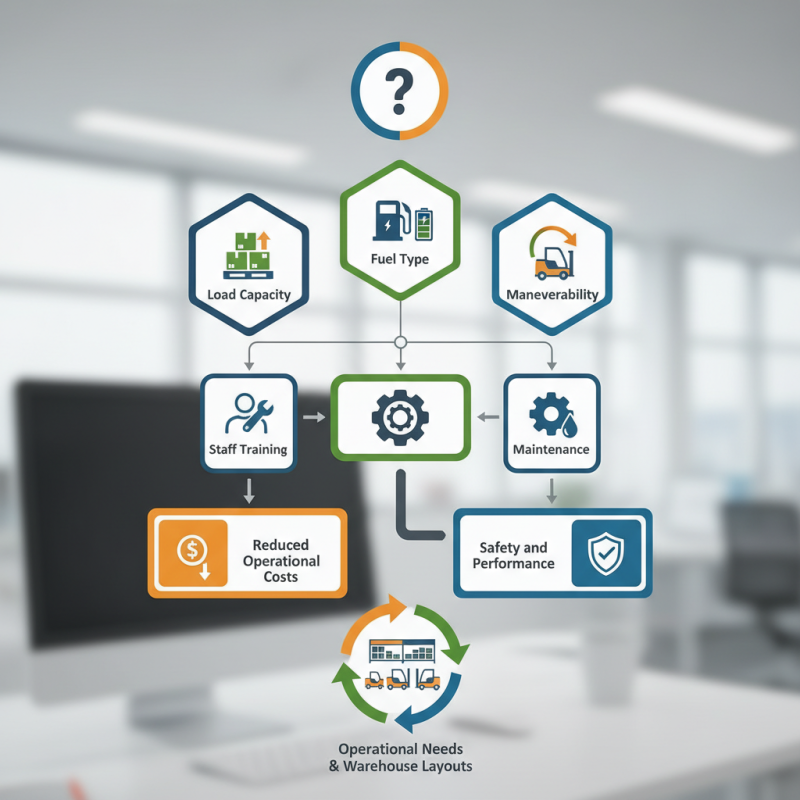
In today's competitive landscape, the right forklift selection can significantly influence a company's operational efficiency. Industry reports indicate that nearly 70% of logistics professionals consider equipment selection vital for productivity. The question remains: What Are The Key Factors In Forklift Selection? Understanding these factors is crucial for maximizing both safety and performance.
Choosing the appropriate forklift involves multiple considerations. Load capacity, fuel type, and maneuverability are paramount. A study by the Material Handling Industry (MHI) revealed that companies optimizing these aspects can reduce operational costs by up to 25%. However, many businesses overlook the importance of staff training and maintenance, leading to suboptimal performance and potential hazards on the floor.
Forklifts are not one-size-fits-all equipment. They must align with specific operational needs and warehouse layouts. Misalignment can result in increased downtime and higher repair costs. This highlights the importance of a careful selection process that balances cost with operational effectiveness. Addressing these nuances is essential for ensuring a safe and productive working environment.
Selecting the right forklift is vital for operational efficiency. Different types of forklifts cater to unique business needs. Understanding these variations can enhance productivity and safety in the workplace. According to the Material Handling Industry of America, improper forklift selection can cost companies up to 20% in lost productivity.
Electric forklifts are becoming popular due to their lower operating costs. They are ideal for indoor environments and reduce noise. However, they might not perform well on rough terrains. On the other hand, internal combustion forklifts are robust and suitable for outdoor tasks. But, their emissions can affect indoor air quality.
Tip: Assess your workspace and tasks before choosing a forklift. This prevents costly mistakes. Consider weight capacity and lift height as key factors.
For those handling heavy loads outdoors, rough terrain forklifts are necessary. They offer superior traction and stability. Yet, they may require more maintenance. Companies should revisit their forklift choices periodically. This ensures they still meet evolving operational demands. Always prioritize safety to avoid accidents and injuries.
Selecting the right forklift is essential for operational efficiency. Businesses often overlook the importance of assessing their specific needs. A forklift that is too large or too small can lead to either underutilization or safety risks. According to Industrial Truck Association data, 70% of accidents are caused by improper equipment selection.
Evaluating your business needs involves understanding the weight and size of goods. Different operations have unique requirements. For instance, narrow aisle forklifts are ideal for confined spaces, while heavy-duty models handle larger loads. A mismatch can result in increased downtime. Consider also the training needs for your staff. Effective training can improve safety and productivity.
Additionally, operational costs vary significantly. Fuel types, maintenance schedules, and usage frequency should all be considered. Research indicates that businesses can save up to 25% on costs by choosing appropriate forklifts. This highlights the need for a thoughtful selection process. The goal is to invest wisely in forklifts that align with your operational goals and safety standards.
Selecting the right forklift can greatly influence your business's efficiency and productivity. According to a report by the Occupational Safety and Health Administration (OSHA), improper forklift selection increases the risk of workplace accidents by 20%. This not only affects employee safety but also leads to costly downtime. An ideal forklift enhances workflow, minimizes damage, and increases job satisfaction.
Proper forklift selection can also impact operational costs. The appropriate model improves energy efficiency. The Energy Institute found that businesses save up to 25% on fuel costs with the right lift equipment. Moreover, choosing the right capacity and features ensures that your operations run smoothly without unexpected disruptions.
Tip: Evaluate your workspace carefully. Measure aisle widths and load heights before making a decision. A forklift too large for your environment can create safety hazards.
Regularly reviewing your equipment also helps. If your workforce grows or changes, assess whether your existing fleet still meets your needs. Keeping your forklifts well-maintained can prolong their lifespan and efficiency.
Choosing the right forklift is essential for workplace safety. A significant percentage of accidents in warehouses involve forklifts. According to OSHA, these incidents cause about 34,900 injuries each year. Many of these accidents result from improper equipment selection. Ensuring that the right forklift fits the specific needs of your operation can minimize risks.
When considering safety, lift capacity must be a priority. Each forklift has a load rating that dictates its maximum weight. Overloading a forklift can lead to tipping and serious accidents. According to a report by the Industrial Truck Association, around 25% of forklift-related injuries stem from load capacity violations. Companies need to assess their materials carefully before making a selection.
Visibility is another critical aspect. Poor visibility contributes to a significant number of accidents. Operators must see their surroundings clearly to avoid collisions. Some forklifts come with features that enhance visibility. However, not all models offer this. Therefore, companies must evaluate their environments and determine which design minimizes blind spots. A thorough understanding of operational demands and potential hazards can greatly improve safety in the workplace.
Selecting the right forklift is critical for any business. It can impact operations significantly. Cost factors in forklift acquisition and maintenance should not be overlooked. When purchasing a forklift, buyers often consider the initial price. However, hidden costs can arise later.
Routine maintenance is essential. Neglecting it can lead to expensive repairs. Maintenance might include tire replacements and battery upkeep. Companies may also face downtime if equipment fails. Downtime can decrease productivity, affecting the bottom line.
Fuel type affects ongoing costs as well. Electric forklifts can lower energy costs, but initial prices may be higher. In contrast, LPG forklifts might be cheaper upfront but can incur higher fuel expenses. Assessing these factors is crucial for long-term planning. Each choice carries risks and benefits. Balancing these aspects requires careful thought and reflection.
| Forklift Type | Acquisition Cost ($) | Maintenance Cost/Year ($) | Average Lifespan (Years) | Fuel Type |
|---|---|---|---|---|
| Electric Forklift | 25,000 | 1,200 | 10 | Electric |
| Internal Combustion Forklift | 30,000 | 1,500 | 8 | Gas/Diesel |
| Pallet Jack | 3,000 | 500 | 6 | Manual |
| Reach Truck | 20,000 | 1,000 | 10 | Electric |
: Electric forklifts are ideal for indoor use, while internal combustion models work best outdoors.
Misselecting a forklift can lead to up to 20% loss in productivity.
They offer traction and stability for heavy outdoor loads, but require more maintenance.
Companies should assess weight capacity, lift height, and workspace type to avoid costly mistakes.
Effective training improves safety and productivity, reducing the risk of accidents.
Neglecting routine maintenance can lead to expensive repairs and increased downtime.
Electric forklifts may have higher initial costs but lower energy expenses compared to LPG models.
Choosing a forklift that is either too large or too small can create safety risks.
Periodic evaluations ensure the forklifts meet ongoing operational demands.
Businesses can save up to 25% in costs with thoughtful forklift selection.
Selecting the right forklift is essential for optimizing business operations, and several key factors should be considered during this process. First, understanding the different types of forklifts available is crucial, as each type serves specific functions and environments. Evaluating your business needs will help determine which features are necessary for efficiency and productivity. Additionally, considering safety factors is vital to ensure a secure working environment for operators and workers alike.
What are the key factors in forklift selection? These include the operational environment, load capacity, and frequency of use, all of which affect performance and reliability. Lastly, cost considerations, including both acquisition and maintenance expenses, play a significant role in the financial viability of forklift selection. By carefully assessing these aspects, businesses can make informed decisions that enhance operational efficiency and promote workplace safety.

GLS Forklift