Best Practices for Forklift Safety in Warehouses You Must Know?

Time:2026-04-29 Author:Amelia
0%

In the fast-paced environment of warehouses, maintaining safety is crucial. James Carter, a renowned expert in forklift operations, emphasizes, "The right training and practices can prevent disasters." This highlights the importance of adhering to the Best Practices for Forklift Safety in Warehouses.

Every year, accidents occur due to negligence and lack of training. Many warehouse workers may underestimate the risks involved with forklifts. Simple mistakes can lead to serious injuries. It is essential to implement effective training programs to ensure everyone understands safe operating procedures. Regular safety audits can also make a big difference.

Being aware of best practices helps create a safer workspace. However, there is always room for improvement. Warehouses must continually assess their safety protocols. Engaging employees in discussions about safety can reveal overlooked areas. Creating a culture of safety will not only protect workers but also enhance productivity.
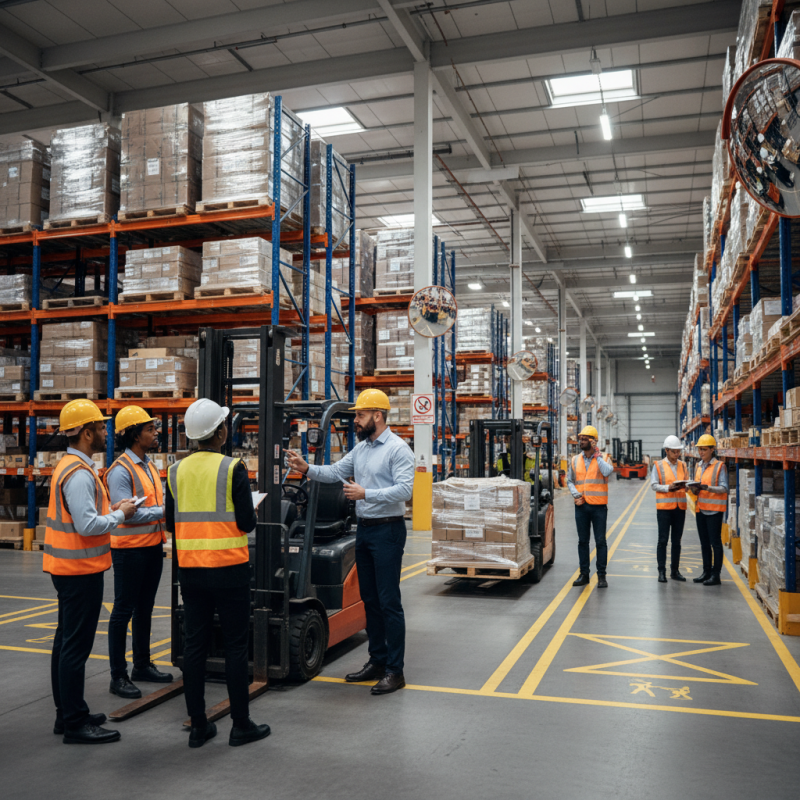
Best Practices for Forklift Safety in Warehouses You Must Know?

Understanding Forklift Safety Regulations in Warehouses

Understanding forklift safety regulations in warehouses is crucial for the well-being of workers. These regulations aim to minimize risks associated with forklift operations. Operators must be trained and certified to ensure they know how to handle these machines safely. This training includes understanding load limits and how to navigate tight spaces.

Employers should conduct regular safety audits to ensure compliance with regulations. They also need to provide personal protective equipment, such as helmets and safety shoes. Using clear signage throughout the warehouse can help prevent accidents. Proper maintenance of forklifts is another key aspect, ensuring equipment is in safe working order.

Worker accountability is essential. Even with regulations in place, human error can lead to accidents. Employees should be encouraged to report unsafe conditions or practices. Collaboration among team members fosters a safety culture. Regular meetings can reinforce the importance of safety and regulate behavior. This proactive approach is fundamental in creating a safer warehouse environment.

Best Practices for Forklift Safety in Warehouses You Must Know

Safety Practice Description Regulation Reference Frequency of Training
Proper Operator Training Ensure all forklift operators are properly trained and certified. OSHA 1910.178 Annually
Daily Equipment Inspection Conduct a pre-operation check to ensure the forklift is in safe working condition. OSHA 1910.178(q) Daily
Use of Seatbelts Mandatory use of seatbelts while operating forklifts to reduce injury during accidents. ANSI/ITSDF B56.1 Ongoing
Load Limit Adherence Never exceed the manufacturer's specified weight limit for loads. OSHA 1910.178(o) Whenever operating
Clear Signage Clearly mark pedestrian areas, hazards, and traffic flow to prevent accidents. ANSI Z535.1 Semi-Annual Review

Common Hazards Associated with Forklift Operations

Forklifts are essential in warehouse operations, but they come with significant hazards. Understanding these risks helps improve safety. Common hazards include collisions, tip-overs, and falling loads. Workers may be injured if they do not follow safety protocols. Awareness of the environment is critical to avoiding these accidents.

Tips for maintaining forklift safety: Always conduct a pre-operation inspection. Ensure that the forklifts are in working order before use. Visibility is vital; use mirrors to see blind spots. Keep aisles clear of clutter to prevent collisions. It's good practice to use horns and lights when maneuvering in tight areas.

Another hazard is improper loading. Ensure loads are balanced to minimize the risk of tip-over. Employees should be trained on proper stacking techniques. Rushing leads to mistakes, increasing hazard exposure. Take your time when handling materials. Reflect on practices to improve safety continuously. Regular safety audits can reveal areas needing attention.

Essential Training Requirements for Forklift Operators

Forklift operators play a vital role in warehouse efficiency and safety. Proper training is essential for anyone who wants to operate this powerful equipment. Training should combine both theory and hands-on practice. Operators need to understand the forklift's basic mechanics and controls. This foundational knowledge ensures they are ready to face real-world challenges.

Each operator must complete a comprehensive training program. This includes safety regulations, stability principles, and load handling techniques. Employers should create a training checklist that covers all required skills. Real-life simulation scenarios enhance learning. However, even well-trained operators may still face difficulties. They should be encouraged to reflect on their experiences and discuss any issues they encounter. Continuous education is crucial as new safety standards evolve.

Regular evaluations of operators can help identify areas for improvement. Feedback sessions create an environment for open dialogue. Operators can share what strategies worked or what needs adjustment. This collaborative approach fosters a culture of safety and reliability within the warehouse. Investing in operator training not only enhances safety but also boosts overall productivity.

Best Practices for Forklift Safety in Warehouses

Implementing a Safe Warehouse Layout for Forklift Use

When designing a safe warehouse layout for forklift use, clarity and space are crucial. A well-structured layout minimizes risks. Keep lanes wide enough for forklifts to maneuver easily. A recommended width is at least 10 feet for two-way traffic. Clearly marked paths help drivers know where to go. This reduces confusion and accidents.

Tips: Regularly review the layout. Are there any blind spots? Consider adding mirrors for better visibility. Mark areas where pedestrians frequently walk. This helps separate foot traffic from heavy machinery. Safety signage should be visible to all employees.

Another key aspect is to ensure proper storage. Stacking items too high can obstruct views. It is essential to keep loads balanced. Train staff to understand the importance of weight distribution. Misplaced or uneven loads can lead to tipping.

Tips: Implement daily checks. Are the forklifts in proper working condition? Regular maintenance can prevent equipment failure. Encourage staff to report any hazards immediately. Everyone plays a part in maintaining safety. Having an open line for communication fosters a proactive safety culture.

Regular Maintenance and Inspection Practices for Forklifts

Regular maintenance and inspection practices for forklifts are vital in preventing accidents and ensuring a safe warehouse environment. Each forklift needs a thorough inspection before use. Check the brakes, lights, and horn. Daily visual checks can catch small issues before they escalate. Keep these records accessible; they're essential for accountability.

Routine maintenance should occur at scheduled intervals. Mechanics should inspect the hydraulic systems and battery health. An unexpected malfunction during operation can lead to dangerous situations. Ensure operators are trained to spot wear and tear. They often notice minor problems early, preventing major repairs later.

However, many warehouses overlook the significance of these practices. Some operators skip inspections due to time constraints. This can lead to accidents and costly downtime. Regular training and reminders can reinforce the importance of maintenance. Reflecting on past incidents can motivate better practices. It’s crucial to create a culture of safety where everyone understands their role in maintaining equipment.

FAQS

: Why is forklift safety regulation important in warehouses?

: Forklift safety regulations minimize risks, ensuring workers are protected from potential hazards.

What training is necessary for forklift operators?

Operators must be trained and certified to handle forklifts, including knowledge of load limits and navigation.

How can employers promote a safety culture?

Employers should encourage reporting unsafe practices, conduct regular audits, and hold safety meetings to reinforce responsibility.

What are common hazards associated with forklift operations?

Common hazards include collisions, tip-overs, and falling loads, often due to lack of training or awareness.

What should be checked before operating a forklift?

Always conduct a pre-operation inspection, checking brakes, lights, and horn for proper functionality.

Why is regular maintenance of forklifts essential?

Regular maintenance prevents accidents, ensuring forklifts remain in safe working conditions and avoiding costly downtime.

What can happen if inspections are skipped?

Skipping inspections can lead to malfunctions, resulting in accidents and increased safety risks for workers.

How can visibility be improved while operating a forklift?

Use mirrors to check blind spots and ensure clear aisles to enhance visibility and prevent collisions.

What can improve safety when stacking loads?

Proper stacking techniques and ensuring loads are balanced help minimize the risk of tip-overs.

What can motivate better maintenance practices in a warehouse?

Reflecting on past incidents often motivates employees to prioritize regular maintenance and adherence to safety protocols.

Conclusion

Implementing **Best Practices for Forklift Safety in Warehouses** is crucial for ensuring a safe working environment. Understanding the safety regulations that govern forklift operations helps management comply with legal standards and protect workers. Identifying common hazards, such as pedestrian traffic and poor visibility, is essential in preventing accidents.

Training is another vital aspect; operators must receive comprehensive instruction to handle forklifts proficiently. Additionally, ensuring a well-designed warehouse layout can significantly reduce risks associated with forklift use. Regular maintenance and inspections of forklifts are also key practices that help maintain operational safety and efficiency. By adhering to these best practices, warehouses can foster a safer workplace and mitigate potential dangers associated with forklift operations.

Amelia

Amelia

Amelia is a seasoned marketing professional with a wealth of expertise in our company’s core offerings. With an unwavering passion for driving growth and innovation, she plays a pivotal role in shaping our marketing strategies and enhancing brand visibility. A key aspect of her responsibilities......