Maintaining forklift performance is crucial for operational efficiency. Research shows that improper maintenance can lead to costly downtime. According to a 2022 report by the Industrial Truck Association, nearly 30% of forklift breakdowns are due to inadequate maintenance. This highlights the need for a robust strategy on "How To Maintain Forklifts For Long Term Performance."
Experts in the field stress the significance of regular inspections and servicing. Jim Thompson, a leading forklift maintenance consultant, once stated, “Routine maintenance is not just a cost; it’s an investment in operational reliability.” His insights reflect the industry's consensus on prioritizing maintenance to extend forklift life and performance.
Forklifts are substantial investments for any business. Ensuring their longevity requires a commitment to best practices in maintenance. Many companies overlook minor repairs, which can lead to bigger issues down the line. A proactive approach to upkeep can prevent unexpected breakdowns and reduce overall operational costs.
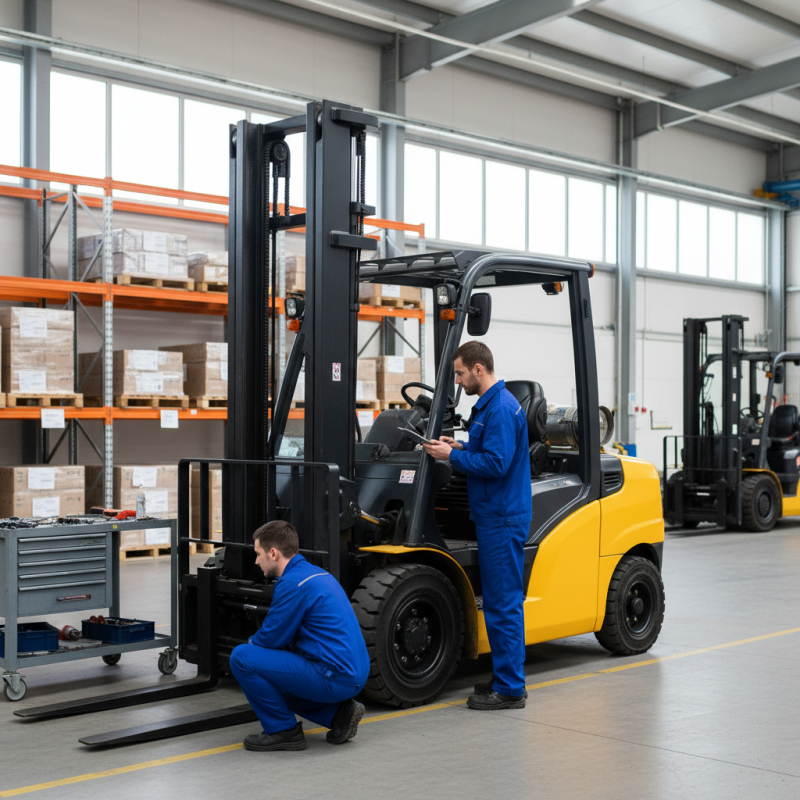
Routine maintenance is critical for forklifts. According to the Forklift Manufacturers Association, proper upkeep can reduce breakdowns by up to 40%. Regular inspections help identify issues early. Check fluids, tires, and brakes frequently. A lack of attention in these areas can lead to costly repairs.
Daily checks are vital. Operators should inspect their machines before use. This includes verifying that safety features function properly. According to a report by OSHA, improper maintenance may contribute to about 25% of forklift accidents. Training operators on maintenance protocols can mitigate risks. It is essential to foster a culture where safety and maintenance are priorities.
Scheduled servicing is another key aspect. Engage professionals for deep maintenance every few months. Data suggests that proactive service can extend a forklift's lifespan by 30%. However, many organizations postpone these services for budget reasons. This short-sightedness can result in higher expenses later. Forklift performance relies heavily on how well they are maintained. Taking maintenance seriously now can lead to safer and more efficient operations.
Forklift operator training and certification are vital for maintaining the long-term performance of forklifts. According to the Occupational Safety and Health Administration (OSHA), proper training can reduce workplace accidents by up to 25%. This emphasis on skilled operators not only enhances safety but also optimizes equipment usage. A well-trained operator can handle the machine more efficiently, leading to lower maintenance costs and increased lifespan of the equipment.
Many companies overlook the importance of ongoing training. Regular refresher courses keep operators up-to-date on best practices and safety regulations. It’s common for operators to develop bad habits over time, which can impact their performance. Engaging in regular assessment can help in identifying these deficiencies.
**Tips:** Invest in hands-on training scenarios that mirror real-life challenges. Encourage operators to share experiences that highlight issues faced on the job. This can lead to practical problem-solving techniques that benefit everyone. Furthermore, consider tracking operator performance metrics. Data-driven insights can pinpoint specific areas for improvement.
A commitment to proper training doesn’t just ensure compliance; it cultivates a safer workplace. When workers feel competent, they tend to perform better. Investing in training may initially seem costly, but the long-term benefits far outweigh these expenses.
Regular safety inspections for forklifts are vital for ensuring their long-term performance and safety in any workplace. These inspections identify potential issues before they escalate into costly problems. They help maintain operational efficiency and prevent unexpected breakdowns. Workers should feel confident in the equipment they use daily. When forklifts are regularly inspected, it reduces the risk of accidents, creating a safer environment.
During inspections, specific components such as brakes, forks, and lights must be evaluated carefully. Small issues can often be overlooked but can cause significant safety hazards. Operators should be trained to conduct preliminary checks before operations. This builds a culture of safety that emphasizes the importance of vigilance and accountability among all staff members.
However, not all companies prioritize these inspections. Some may find them time-consuming or unnecessary. This attitude can lead to severe consequences, including accidents and costly repairs. Reflecting on these practices can spark a change. Embracing a commitment to regular inspections is not just good practice; it’s essential for protecting employees and equipment alike.
Choosing the right forklift for your operational needs is crucial for long-term performance. Every business has unique requirements. A company's warehouse layout, load types, and lift heights can vary significantly. Evaluating these factors is essential.
Consider the types of loads you will handle. For instance, heavier loads may require trucks with higher capacities. Narrow aisles need forklifts that can maneuver easily. Every inch of space counts in tight environments. Selecting a model suited for your specific situation can prevent unnecessary wear and tear. An inadequately chosen forklift may lead to costly repairs down the line.
Don't forget about the ergonomics of the forklift. Operator comfort impacts productivity. Options for adjustable seating and visibility can enhance efficiency. It’s vital to provide operators with the right tools. If employees feel cramped or restricted, their work quality may decline. Investing in the right equipment may seem like a challenge, but it pays off in the long run. Planning ahead and reflecting on these aspects can lead to better decision-making.
This chart illustrates key metrics that contribute to the long-term performance of forklifts. Maintaining high operational efficiency and ensuring regular maintenance alongside effective fuel usage and operator training can significantly impact performance sustainability.
Effective management and monitoring of forklifts is essential for ensuring their long-term performance.
Regular checks and maintenance play a critical role in avoiding costly downtime. Routine inspections can prevent unexpected breakdowns.
Make it a habit to schedule these checks monthly, if not weekly.
Tips: Keep a detailed log of each inspection. This can include battery health, tire conditions, and fluid levels.
These logs help identify patterns and potential issues. Use this data to inform maintenance schedules.
Having trained personnel perform checks ensures reliability and reduces the risk of human error.
Monitoring usage is also key. Track how often and where forklifts are used.
Overloading or improper use can speed up wear and tear. Establish clear guidelines for operators.
Enforce training sessions to keep safety at the forefront.
Tips: Implement a feedback system for operators to report issues or suggest improvements.
This can foster a culture of accountability and awareness. Remember, even small adjustments can lead to significant long-term benefits.
Each step taken towards effective management contributes to a fleet's overall longevity.
: Evaluate your specific needs, including warehouse layout and load types. Tailor your choice to your situation.
Consider load weight, aisle width, and lift height. Every detail can impact performance and space usage.
Operator comfort influences productivity. Features like adjustable seating can lead to better work quality and efficiency.
Regular inspections are vital. Aim for monthly checks to avoid unexpected breakdowns and costly downtime.
Track battery health, tire conditions, and fluid levels. Logs can help identify patterns and potential problems.
Track usage frequency and conditions. This can help prevent overloading and reduce wear and tear on the vehicles.
Training is crucial. Clear guidelines and regular sessions enhance safety and reduce the risk of misuse.
Implement a feedback system. Encourage operators to report issues and suggest improvements to foster engagement.
Minor tweaks in operation and training can greatly impact efficiency and longevity. Reflecting on these areas is key.
An ill-suited model can cause premature wear and costly repairs. It's essential to choose wisely based on specific needs.
To maintain forklifts for long-term performance, it's crucial to implement best practices in routine maintenance. Regular checks on essential components, such as brakes and tires, can prevent minor issues from escalating into costly repairs. Additionally, investing in proper forklift operator training and certification ensures that workers are knowledgeable about safe and efficient operation, reducing the risk of accidents and equipment damage.
Safety inspections should be conducted regularly to identify potential hazards and address them promptly. Choosing the right forklift for specific operational needs is also vital; this ensures that the equipment can handle the demands of the job without excessive strain. Furthermore, effective management and monitoring strategies, such as tracking usage and performance metrics, can optimize forklift operations and extend their lifespan. By following these guidelines, businesses can ensure the reliability and efficiency of their forklifts over time.

GLS Forklift